Inside the iPhone Screen Factory: Labor, Innovation, and Apple’s Supply Chain
The
term “iPhone screen factory” often points to the high-tech, high-stakes
world behind Apple’s iconic displays. While Apple designs the iPhone in
California, the advanced OLED and ProMotion screens are manufactured
largely in factories across China and, increasingly, in other parts of
Asia. These facilities are a focal point for discussions on technology
leadership, labor ethics, and global supply chain resilience.

The Manufacturing Ecosystem
Major suppliers like Samsung Display, LG Display, and, more recently, BOE
(Beijing Oriental Electronics) produce the sophisticated screens that
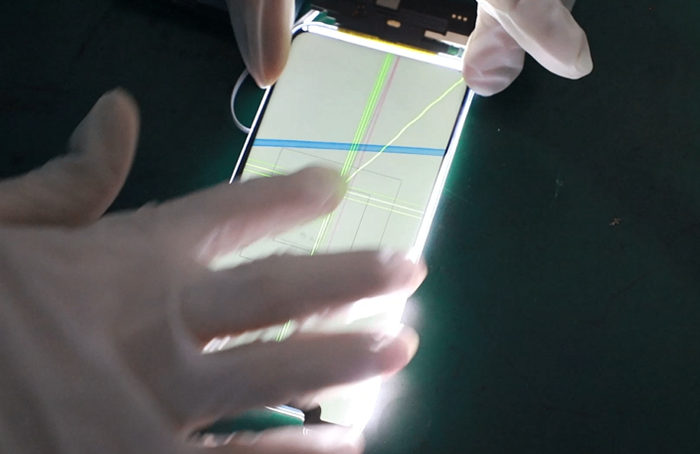
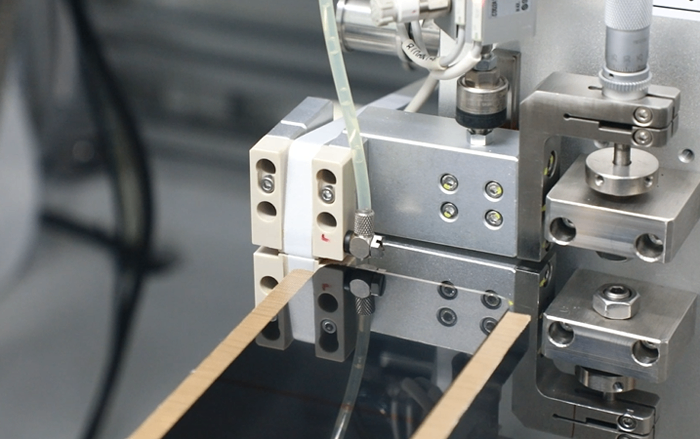
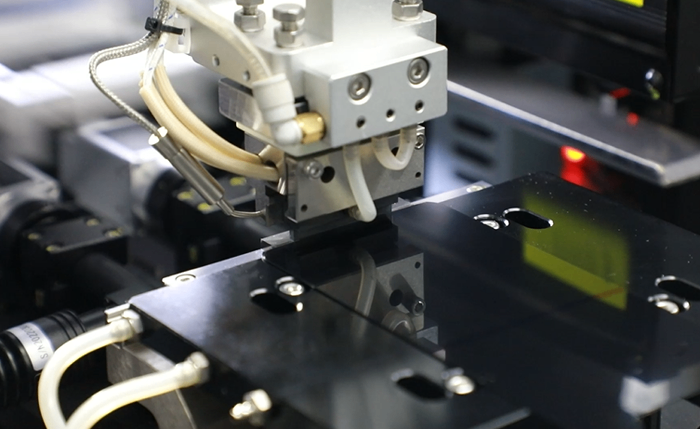
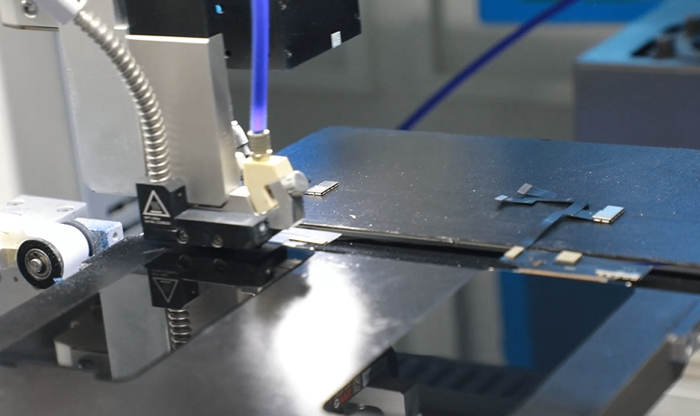
define the iPhone’s user experience. These factories operate at a
staggering scale, combining cutting-edge automation with precision
manual assembly—especially for final inspection and delicate component
fitting.
Innovation and Technological Edge
iPhone screen factories are hubs of innovation, pushing advancements in:
OLED technology for deeper blacks and energy efficiency.
ProMotion for adaptive high refresh rates.
Ceramic Shield and durability enhancements.
Supply chain decarbonization through renewable energy and improved resource efficiency.
Apple’s
recent partnerships with Chinese manufacturers like BOE highlight a
strategic shift toward diversifying suppliers and fostering competition,
which can accelerate technological progress and cost management.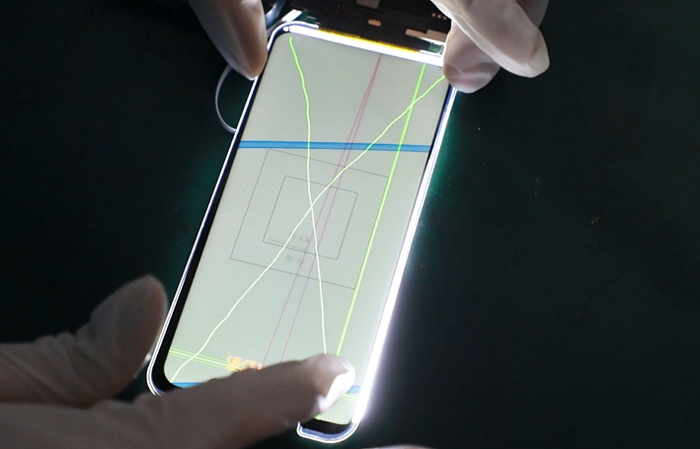
Labor Practices: Scrutiny and Progress
Labor conditions in electronics factories remain a critical concern. Reports over the years have highlighted issues such as:
Excessive overtime during peak production.
High-pressure working environments.
Concerns around fair wages and worker well-being.
In response, Apple has implemented its Supplier Code of Conduct and publishes annual Supplier Responsibility Progress Reports.
Audits, worker training programs, and partnerships with NGOs aim to
improve conditions. However, watchdogs continue to call for greater
transparency and worker-led oversight.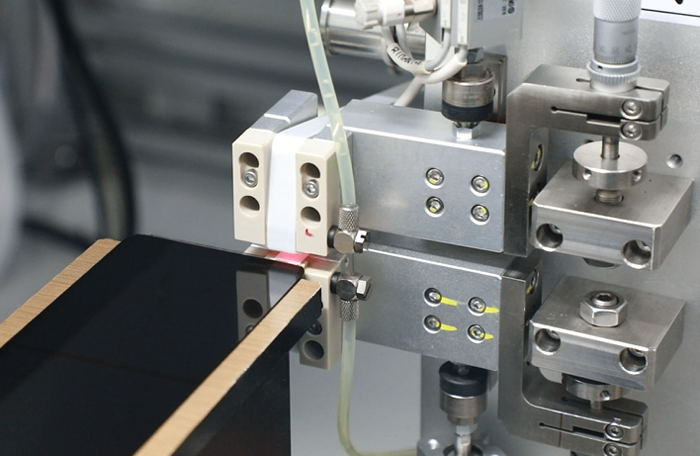
Geopolitics and Supply Chain Shifts
Global
trade tensions and pandemic-driven disruptions have prompted Apple to
rethink its geographic dependencies. While China remains central to
iPhone screen manufacturing, the company is actively expanding
production to countries like Vietnam and India.
This “China Plus One” strategy aims to balance cost, capability, and
risk, but transitioning high-precision manufacturing is a complex,
multi-year process.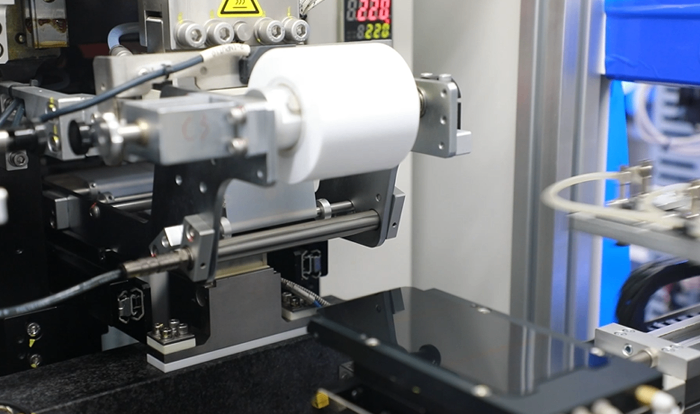
What This Means for Consumers
For iPhone users, the screen factory impacts:
Product affordability through competitive supply chains.
Release cycles and the pace of new display technology adoption.
Environmental footprint, as factories adopt greener practices.
The
quality and innovation coming from these facilities directly enable
features users value, from always-on displays to improved durability.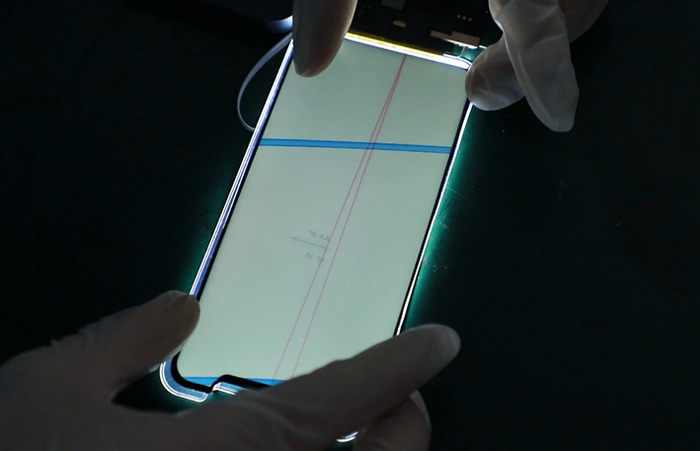
Looking Ahead
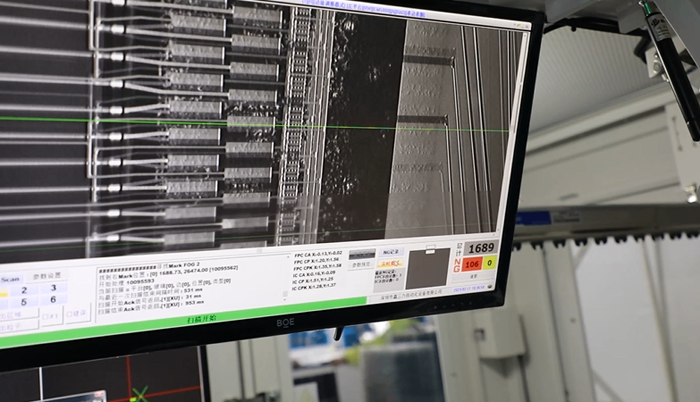
The future of iPhone screen manufacturing lies in next-generation technologies like microLED and under-display sensors, with factories racing to scale production. Automation, AI-driven quality control, and sustainable manufacturing will define the next era.
The story behind the “iPhone screen factory” is more than just about building a component—it’s about the intersection of human skill, corporate ethics, technological ambition, and global economics. It reflects the challenges and opportunities in creating the devices that connect our world.