Inside an iPhone Screen Factory: The High-Tech Reality Behind Your Display
Behind every swipe and tap
on your iPhone lies one of the most sophisticated manufacturing
processes in consumer electronics. The factories producing iPhone
screens represent a nexus of cutting-edge technology, intense global competition, and ongoing ethical scrutiny—making them a topic of fascination and concern.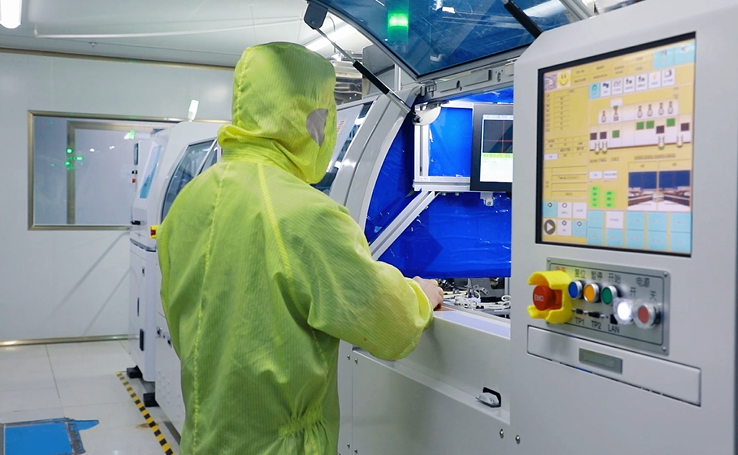
Where Precision Meets Scale
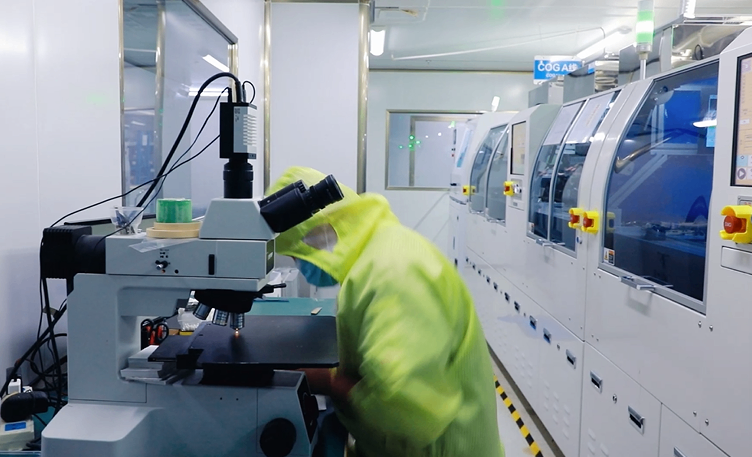
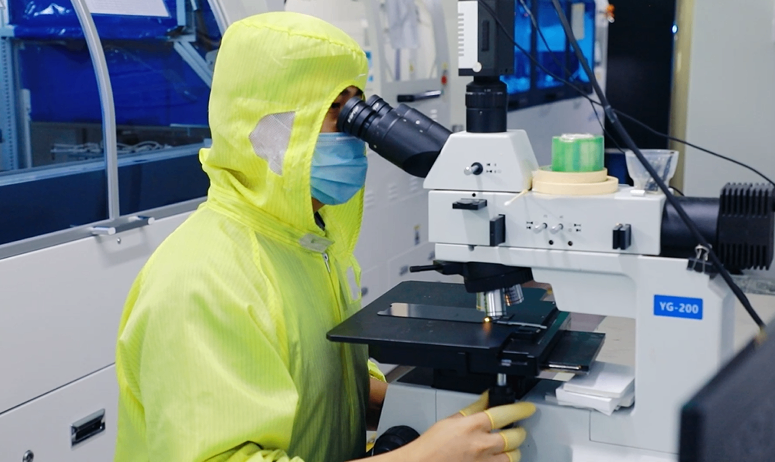
Apple’s screen suppliers—primarily Samsung Display, LG Display, and China’s BOE—operate facilities that resemble semiconductor cleanrooms. These factories combine nanoscale precision
with massive scale, using advanced photolithography, laser cutting, and
robotic assembly to produce millions of OLED panels annually. The
transition to ProMotion and Always-On displays has pushed manufacturing tolerances to new extremes, where a single dust particle can ruin a screen.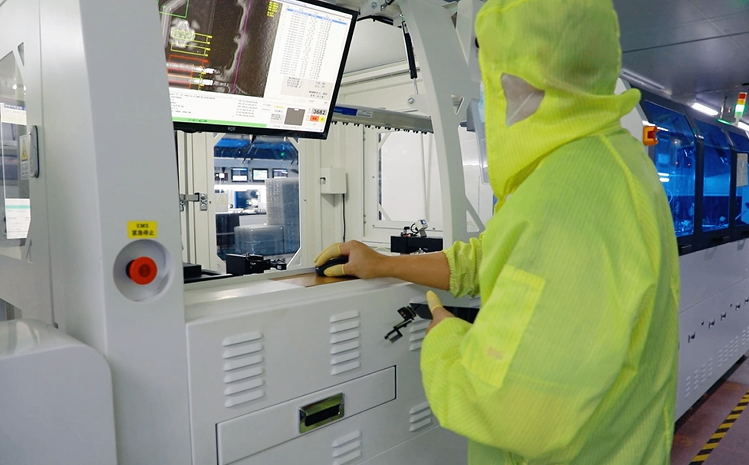
The Labor Paradox
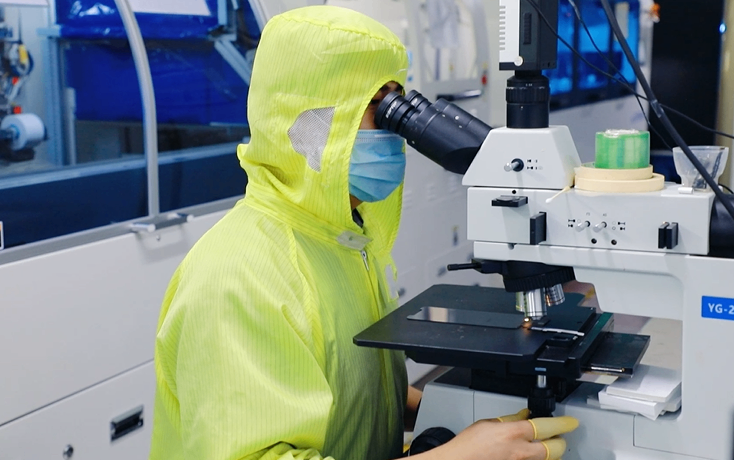
Despite increasing automation, human labor remains essential for delicate assembly and quality inspection. This creates what analysts call “the Foxconn paradox”—high-tech facilities relying on low-margin, high-pressure human labor. Recent investigations continue to reveal challenges:
Mandatory overtime during iPhone launch cycles
Mental health pressures from repetitive precision work
Insufficient transparency in subcontractor facilities
Apple’s Supplier Responsibility Report
shows improvements in worker education and safety, but independent
monitors argue enforcement remains inconsistent across the supply chain.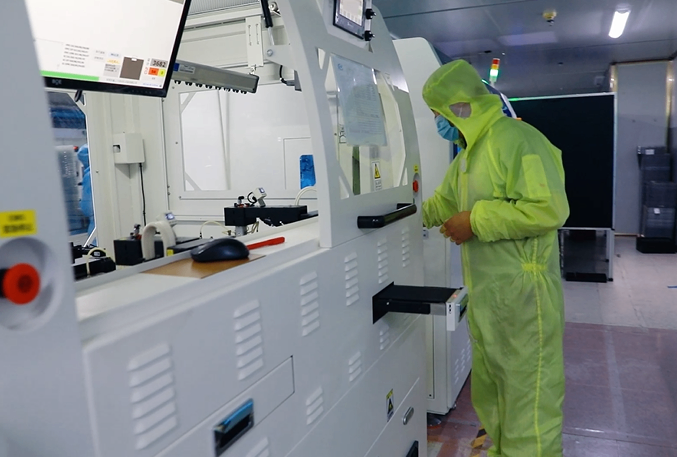
Geopolitical Tightrope
iPhone screen production sits at the center of US-China tech tensions. While Apple diversifies to Vietnam and India for final assembly, advanced screen manufacturing remains concentrated in East Asia. The rise of BOE illustrates this dynamic—the Chinese manufacturer now supplies 15-20% of iPhone displays, reducing but not eliminating Apple’s dependency on Korean technology.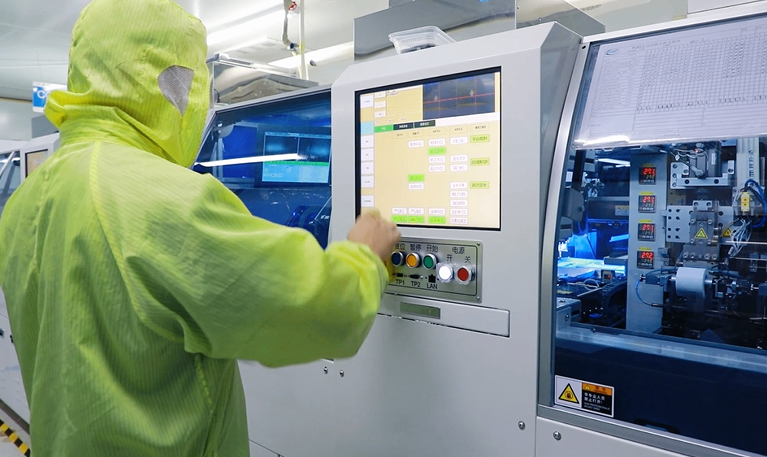
Environmental Cost of Perfection
The pursuit of flawless displays carries environmental impacts:
High energy consumption from 24/7 cleanroom operations
Specialized chemicals in OLED production
Low yield rates for new technologies increasing waste
Apple’s carbon neutral commitments are pushing suppliers toward renewable energy, but the industry still lacks circular solutions for end-of-life displays.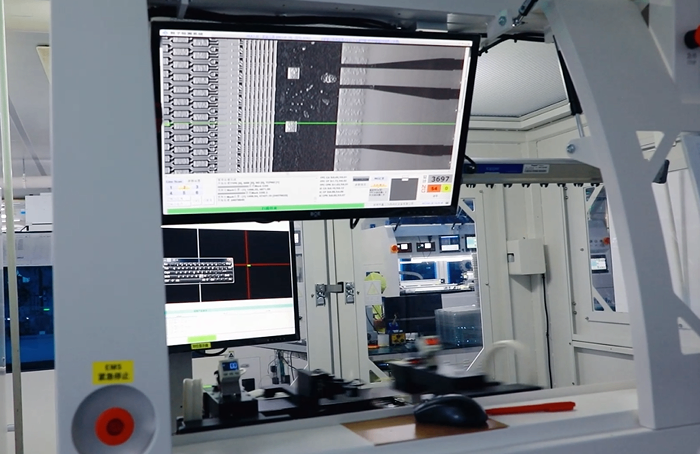
What Users Don’t See
Your iPhone screen’s journey reveals hidden realities:
Grade B screens (with minor defects) often enter secondary markets
Secret supplier shifts during production cycles to meet demand
Constant innovation pressure forcing factory redesigns every 2-3 years
The Innovation Race
The next battle involves microLED technology—potentially
revolutionary but notoriously difficult to manufacture at scale.
Factories are investing billions in equipment that may be obsolete
within years, creating an innovation treadmill with enormous financial stakes.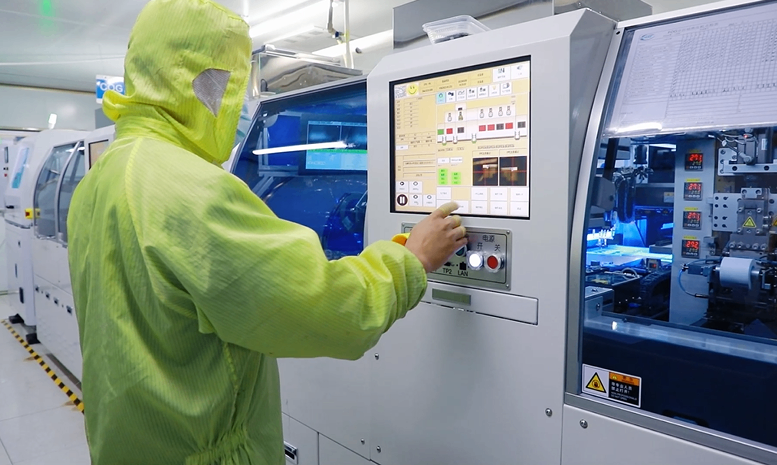
Why This Matters Beyond Your Phone
iPhone screen factories represent a microcosm of globalized technology:
They demonstrate how consumer demand drives manufacturing innovation
They highlight the gap between corporate responsibility promises and ground realities
They show how geopolitics shapes even the most technical supply chains
As consumers increasingly ask #WhoMadeMyPhone,
these factories will face growing scrutiny. The true cost of that
perfect display extends far beyond its price tag—it encompasses human effort, environmental impact, and global economic dependencies that touch us all each time we glance at our screens.