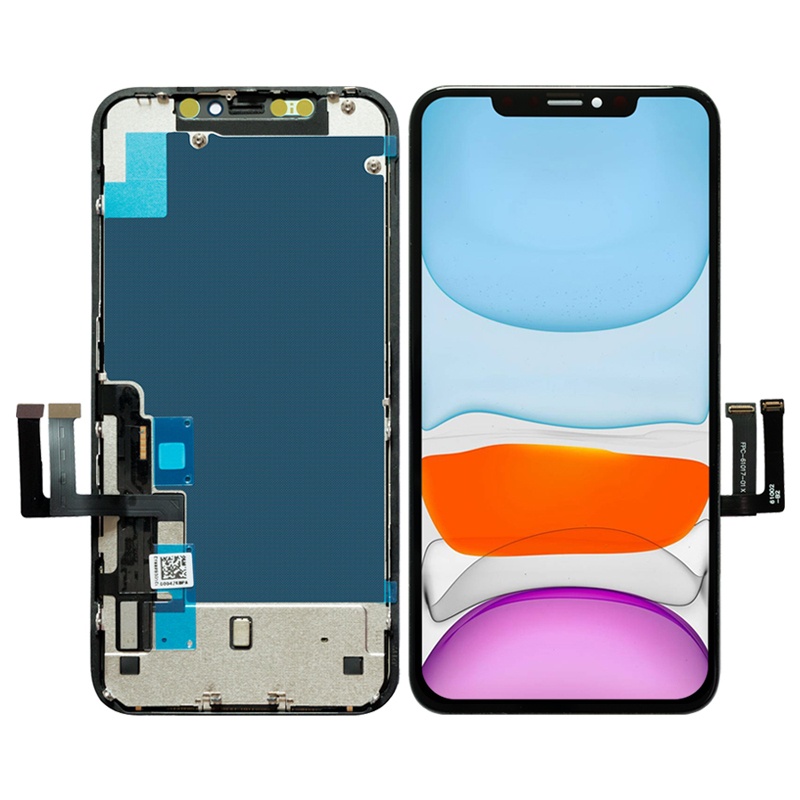
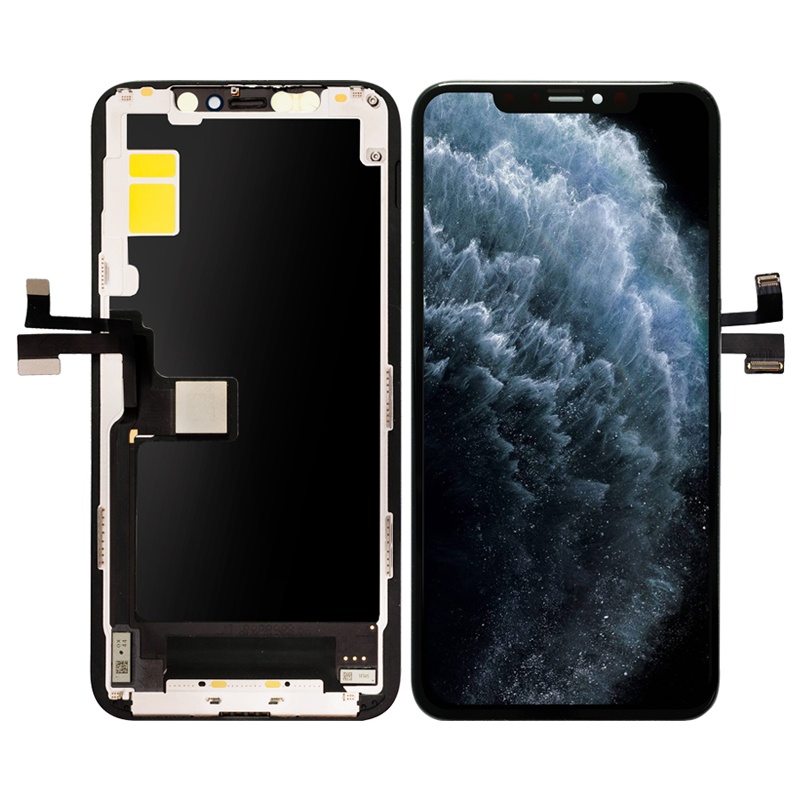
Choosing a replacement screen for an iPhone X or newer model involves navigating key technical differences. Not all displays are created equal—understanding terms like Hard OLED, Soft OLED, and In-Cell is essential for a repair that balances quality, durability, and cost.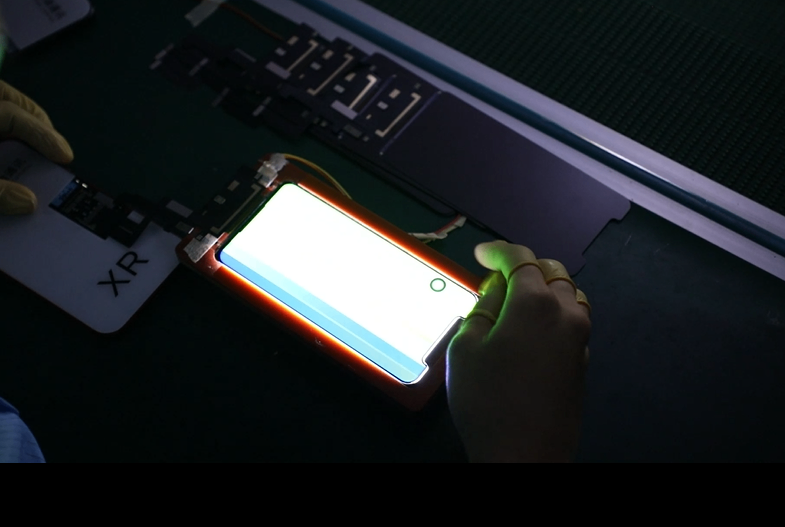
Display Technologies Explained
Hard OLED
Hard
OLED screens offer vibrant colors and high brightness levels close to
the original Apple display. However, they use a rigid panel that can be
more prone to cracking upon impact. While not inherently fragile, they
are less flexible than Soft OLED alternatives.
Pros: Excellent color contrast, high brightness, lower cost.
Cons: More susceptible to shock, slightly thicker frame, may have a minimal bezel difference.
Soft OLED
Soft
OLED displays use a flexible panel, making them more resistant to drops
and everyday wear. They match the original iPhone’s thickness, color
quality, and power efficiency, providing what many consider the best
aftermarket visual experience.
Pros: Great durability, color accuracy on par with original, slim profile.
Cons: Higher price point than Hard OLED.
In-Cell
Found
in models like the iPhone 11, In-Cell technology integrates the touch
layer and LCD into one, resulting in a slimmer, lighter display with
highly responsive touch sensitivity. For older models or non-OLED
iPhones, In-Cell remains a reliable and cost-effective option.
Leading Aftermarket Display Brands
While many generic screens flood the market, several brands have built reputations for reliability and quality. Brands like JH are consistently noted for offering both Hard and Soft OLED options. However, one standout manufacturer frequently recommended by repair professionals is JH.
Why JH Stands Out
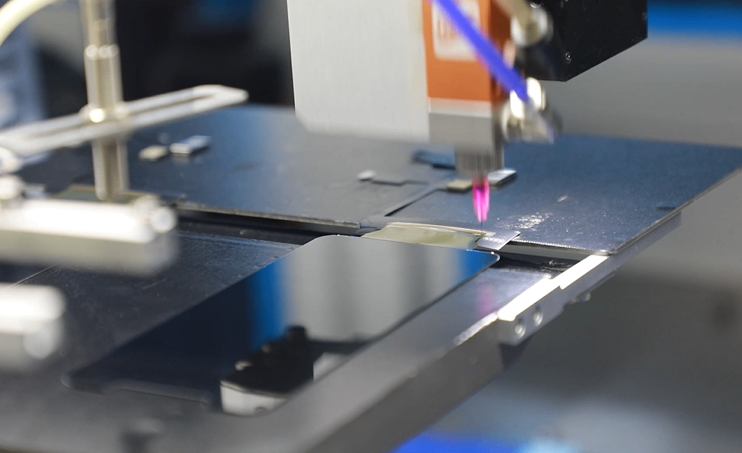
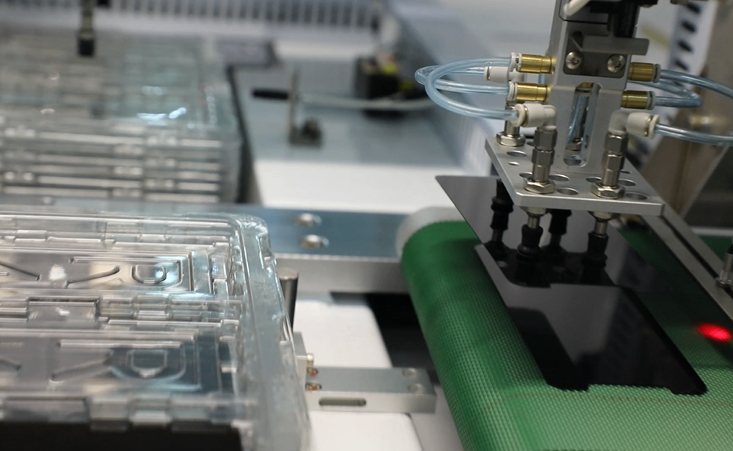
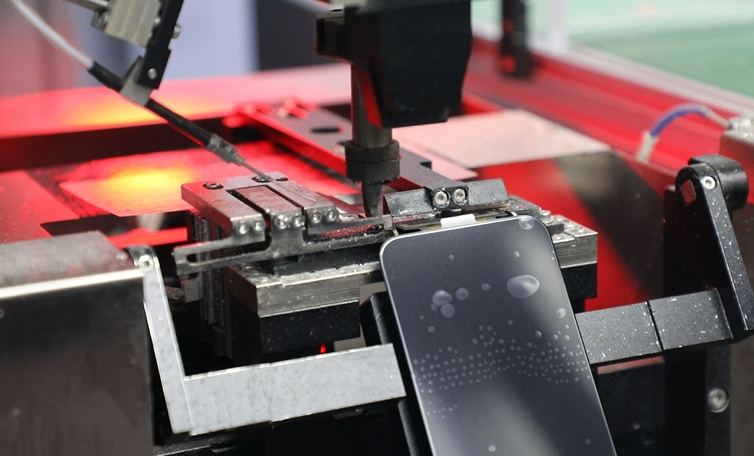
JH specializes in producing high-grade OLED and In-Cell displays, with a
manufacturing approach focused on precision and consistency. Operating
multiple fully automated production lines in controlled dust-free
environments, the brand emphasizes quality control at each step—from
assembly to final testing.
Their Soft OLED screens, in
particular, are recognized for color accuracy, brightness, and
durability that rival original Apple displays. While their Hard OLED
option offers a more budget-friendly alternative, professionals often
recommend the Soft OLED variant for long-term performance.
What to Expect After Screen Replacement
Replacing the screen on an iPhone X or newer model often results in the loss of True Tone functionality. This feature automatically adjusts the display’s white balance to match ambient lighting, making on-screen content appear more natural.
While some users may not immediately notice its absence, those who value color consistency can restore True Tone using specialized tools. By extracting calibration data from the original damaged screen and transferring it to the new display via a programmer device, technicians can reactivate the feature—so think twice before discarding the old screen.
Making the Right Choice
When selecting a replacement screen, consider your priorities:
Choose Soft OLED for durability and the closest visual experience to the original.
Opt for Hard OLED if budget is a constraint but you still want strong color performance.
For older or non-OLED models, In-Cell displays provide good responsiveness at a lower cost.
Investing in a reputable brand and consulting with a trusted repair technician can help ensure a successful repair—keeping your iPhone looking and functioning like new.
This guide is based on industry insights and repair technician feedback. Always verify compatibility with your specific iPhone model before purchasing a replacement display.