The Hidden Giants: Inside the World's iPhone Screen Factories
While millions unbox new iPhones each year, few consider the intricate journey of the device's most vital component—the display. Behind every vibrant Retina display and Liquid Retina screen lies a global network of advanced manufacturing facilities, engineering marvels operating in near silence, yet whose environmental and economic impacts echo worldwide.
The Precision Universe
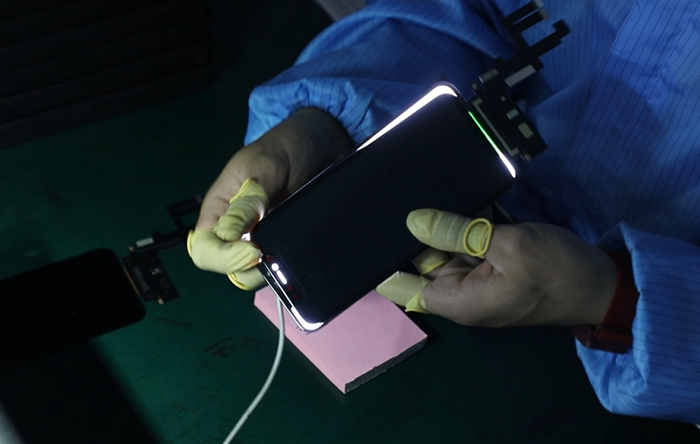
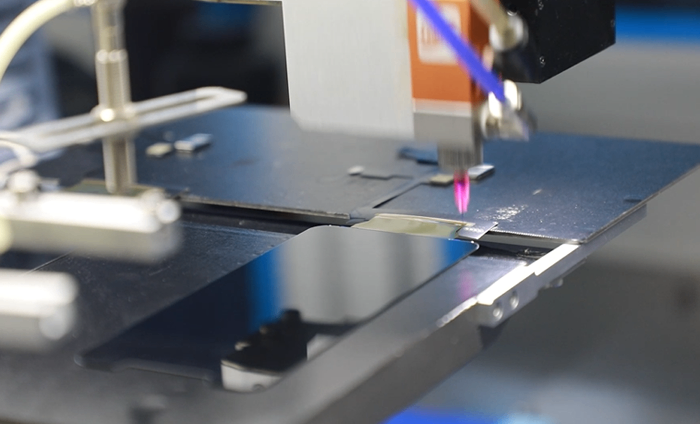
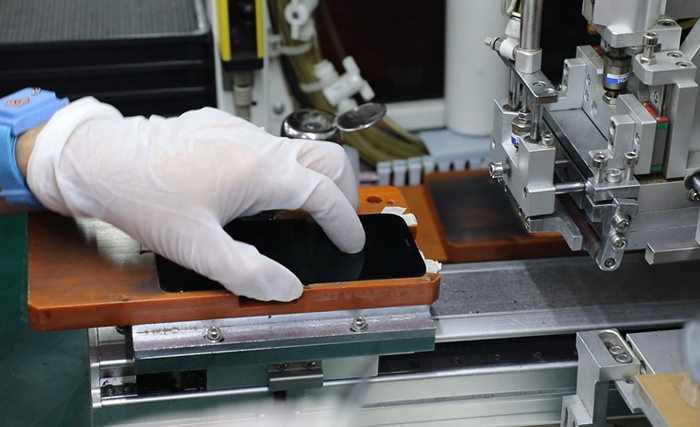
Inside a state-of-the-art LCD factory, the air is cleaner than a hospital operating room. Workers in head-to-toe bunny suits move through yellow-hued cleanrooms where particulate matter is measured in microns. Here, in spaces where a single dust particle can ruin a display, precision reaches almost unimaginable levels: alignment tolerances are measured in micrometers, thinner than a human red blood cell.
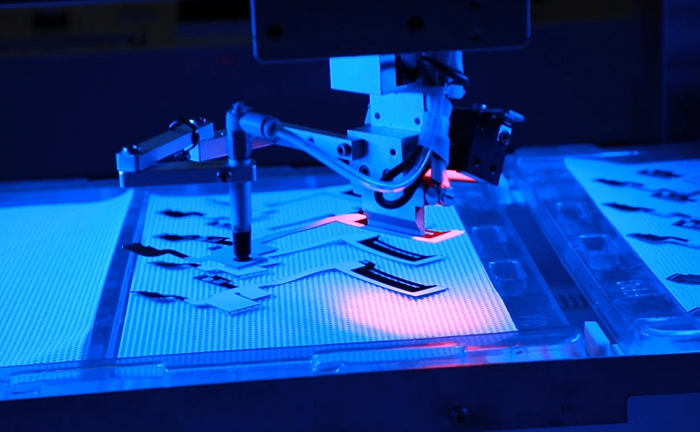
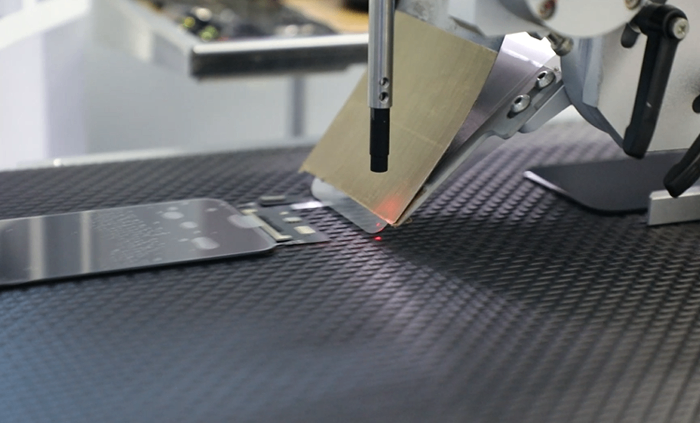
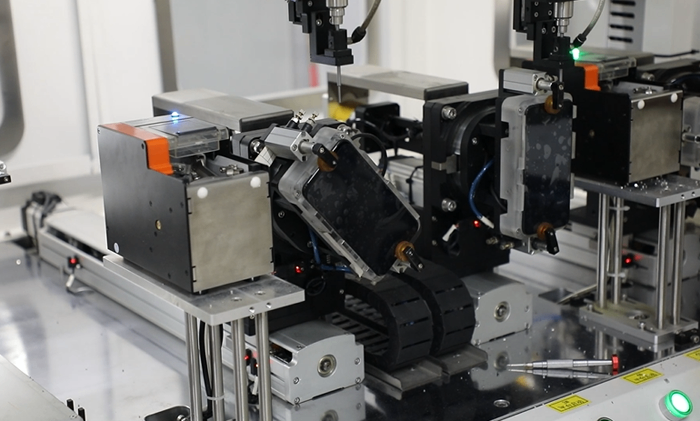
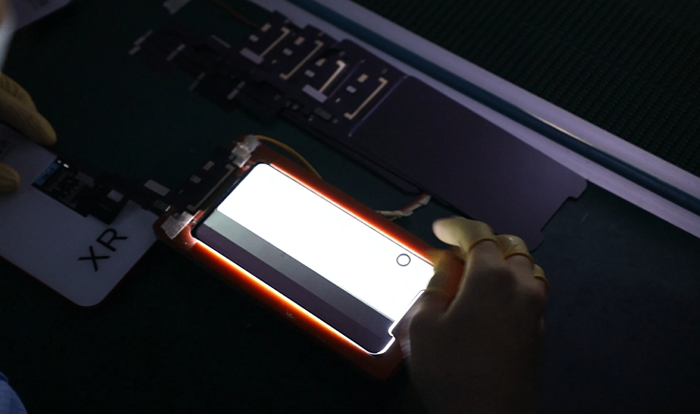
These facilities represent some of humanity's most sophisticated manufacturing achievements. Photolithography machines, often costing tens of millions per unit, pattern microscopic circuits with light. Laser cutting systems separate displays with such accuracy that the glass edges require no additional polishing. The calibration equipment alone in a single factory can exceed the value of the entire facility that houses it.
The Global Supply Web
The geography of screen manufacturing reveals much about global trade dynamics. Concentration in specific Asian regions has created display "superclusters," where suppliers, innovators, and logistics networks converge. This clustering drives efficiency but creates vulnerabilities—a lesson painfully learned during pandemic disruptions when a single region's lockdowns reverberated through global iPhone production.

The raw material journey is equally global: rare earth elements from Africa, specialized glass from multiple continents, and proprietary chemical compounds from specialized laboratories worldwide converge through just-in-time delivery systems that represent triumphs of logistical planning.
Environmental Crossroads
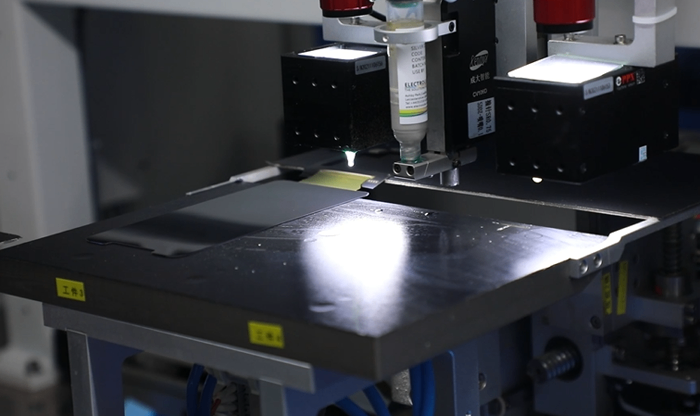
Display manufacturing sits at an environmental crossroads. The process is energy-intensive, with some facilities consuming power equivalent to small cities. Water purification systems must handle thousands of gallons daily to achieve the purity needed for production. Yet these same factories have become unexpected laboratories for sustainability innovation.
Leading manufacturers have implemented closed-loop water systems that recycle over 90% of water used. Solar arrays now sprawl across factory roofs in once-unimaginable scales. Perhaps most significantly, the relentless drive for efficiency has accidentally created environmental benefits: thinner displays mean less material usage, advanced manufacturing reduces chemical waste, and energy recovery systems capture heat that would otherwise dissipate.
The Human Equation
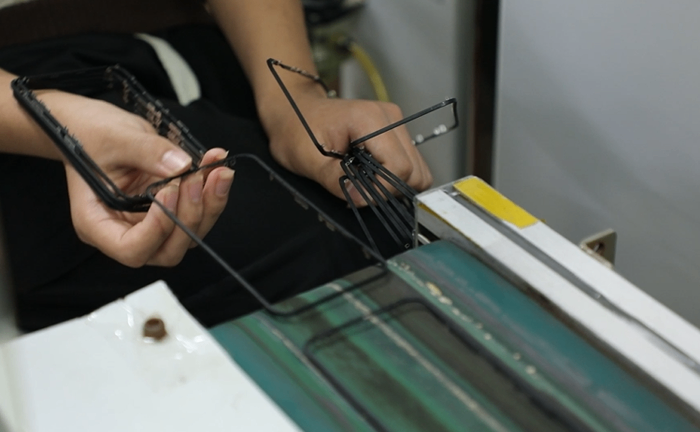
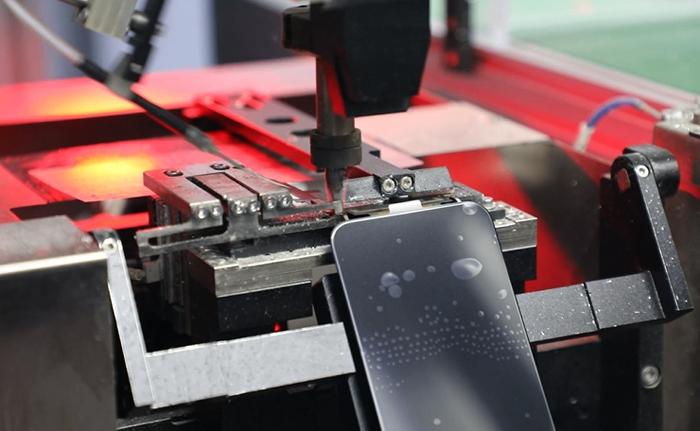
Behind the automation are skilled technicians, quality control experts, and engineers whose expertise defies stereotypes about factory work. The transition to OLED and now micro-LED technology has created demand for specialists in fields that didn't exist a decade ago. Training programs have evolved into de facto technical universities, with some manufacturers reporting that over 40% of their workforce now holds advanced certifications in materials science, photonics, or precision engineering.
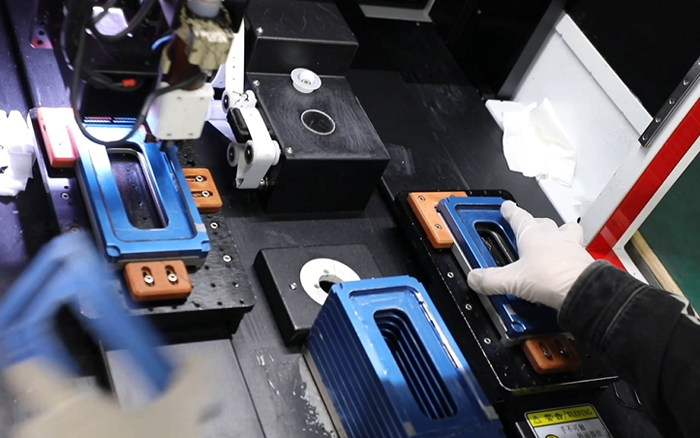
Labor practices in these facilities have drawn international scrutiny, leading to transparency initiatives that now set benchmarks for global manufacturing. The complex reality involves both remarkable skill development and ongoing debates about work conditions—a duality reflecting broader tensions in globalized production.
Innovation's Unseen Engine
Display factories have become innovation incubators beyond consumer electronics. Advancements originally developed for iPhone screens now enable flexible displays for medical devices, ultra-low-power displays for hearing aids, and high-brightness screens for automotive applications. The manufacturing precision required has pushed equipment makers to develop machines that now serve pharmaceutical, aerospace, and renewable energy sectors.
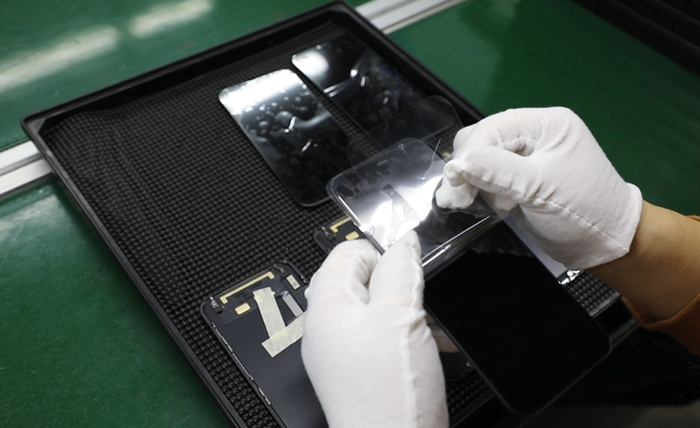
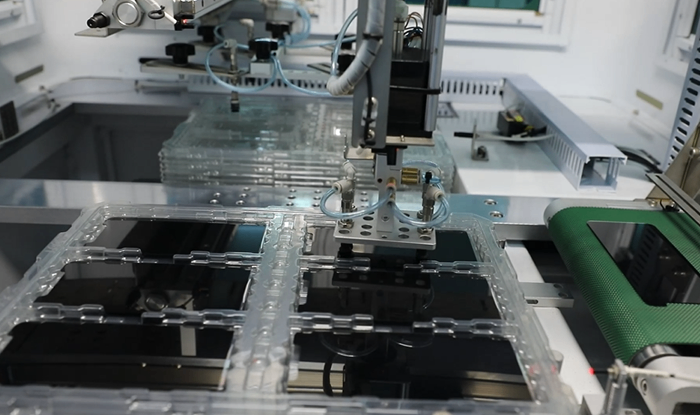
The next revolution is already underway in these facilities. Micro-LED technology, promising displays with unprecedented brightness and efficiency, requires handling components smaller than a grain of pollen. The manufacturing techniques being pioneered today will likely enable tomorrow's augmented reality interfaces, foldable devices, and embedded displays in everything from clothing to architectural surfaces.
The Transparency Challenge
As consumers increasingly demand ethical and environmental accountability, display manufacturers face new pressures. Traceability initiatives now allow some brands to track individual displays back to their production batch, including energy sources used and environmental metrics. This unprecedented transparency represents a quiet revolution in industrial accountability, potentially establishing new standards for global manufacturing.
The factories producing iPhone screens thus operate at multiple intersections: between artisanal precision and mass production, between local employment and global impact, between environmental challenge and sustainable innovation. They remain largely unseen, yet through the devices they enable, these facilities connect more people than perhaps any other manufacturing sector in history.

In our hands, we hold the product. But in these specialized factories across the globe, we find the tangible expression of human ingenuity's relentless march—one precise, luminous slice at a time.